Understanding the Value of Childrens Wooden Playhouses
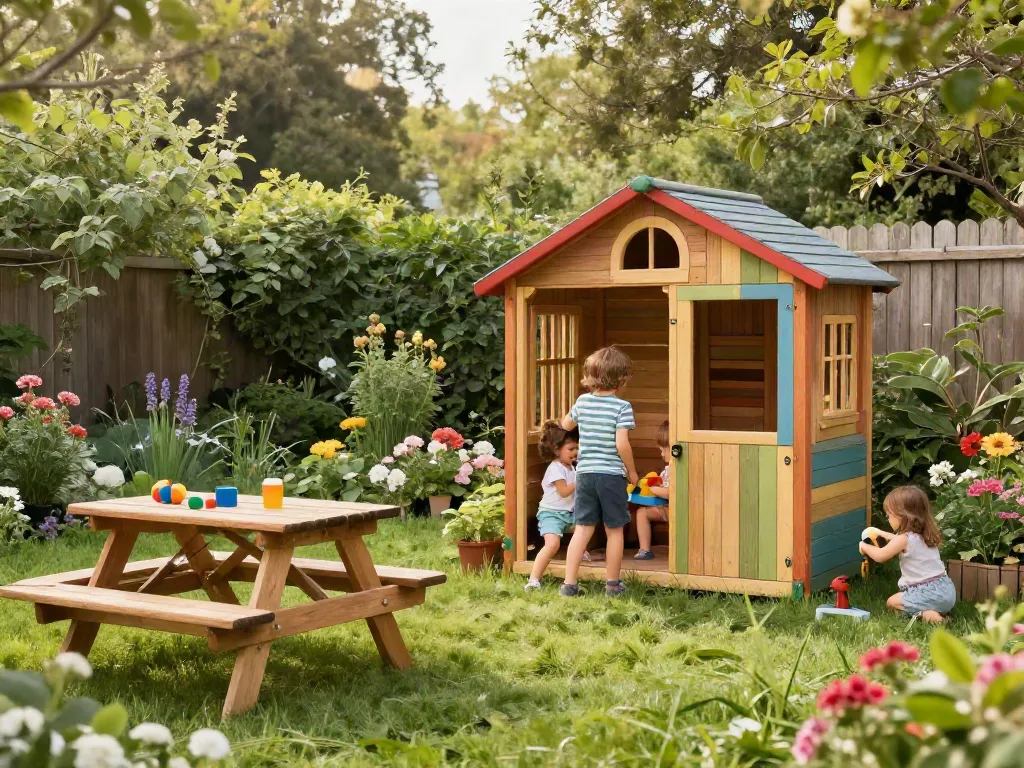
Childhood is a pivotal time for development, and playhouses represent more than just a fun escape for kids; they are spaces where imagination takes flight. Childrens Wooden Playhouses provide a unique environment that encourages creativity, social interaction, and physical activity. This article delves into the multifaceted benefits of these wooden structures, exploring why they have remained a popular choice for families.
Why Choose a Wooden Playhouse for Your Children?
Choosing a wooden playhouse over other materials comes with significant benefits. Firstly, wood is a natural insulator, ensuring that play spaces remain comfortable in various weather conditions. Additionally, wooden playhouses are often more durable than their plastic counterparts, capable of withstanding years of play and exposure to the elements.
- Durability: High-quality wooden playhouses resist wear and tear, making them a long-term investment.
- Aesthetic Appeal: Wooden structures can blend seamlessly into natural landscapes, offering a rustic charm that enhances garden aesthetics.
- Customization: Wood can be painted, treated, or modified to suit personal tastes, allowing for a unique play environment.
Benefits of Outdoor Play for Child Development
Outdoor play is instrumental in child development. Studies show that children who engage in outdoor play tend to be more active, which contributes to better physical health. Furthermore, playhouses stimulate creativity and imaginative play, enabling children to explore various scenarios, whether it’s hosting a tea party or embarking on a pirate adventure.
- Social Skills: When children play together, they learn vital social skills, such as negotiation, sharing, and conflict resolution.
- Cognitive Development: Problem-solving and critical thinking skills are honed as children navigate their imaginative worlds.
- Physical Health: Climbing, running, and playing in a wooden playhouse encourages physical activity, combating obesity and promoting overall well-being.
Comparing Wooden Playhouses with Plastic Alternatives
While plastic playhouses are often lighter and easier to assemble, they fall short in several areas compared to wooden houses. Wooden playhouses typically offer better longevity and can withstand harsher weather conditions without fading or cracking. Additionally, wooden playhouses often provide a more substantial aesthetic that resonates with nature and tradition.
- Longevity: Wooden structures can last decades with proper maintenance, whereas plastic models may need replacing within a few years.
- Environmental Impact: Wood is a renewable resource, and many manufacturers now use sustainable forestry practices.
Choosing the Right Childrens Wooden Playhouse
When selecting a wooden playhouse, it's essential to consider a few critical factors to ensure your choice is well-suited for your child’s needs and your yard's specifications. The right playhouse can provide an engaging space for play throughout childhood.
Key Features to Look for in a Quality Playhouse
Not all playhouses are created equal; therefore, identifying quality features is important. Look for options that include:
- Safe Materials: Ensure that the wood used is treated for rot and insect resistance, and free from hazardous chemicals.
- Design and Features: Opt for playhouses with windows, doors, and perhaps loft areas to encourage exploration.
- Stability: A sturdy structure that can handle rough play is critical. Look for heavy-duty construction and secure fastening methods.
Age Appropriateness and Size Considerations
Before purchasing, consider the age range of your children. A playhouse suitable for toddlers may differ significantly in size and design compared to those intended for older children. Additionally, ensure that the playhouse fits comfortably in your garden space, allowing for safe play around it.
- Toddler-Sized Options: Smaller playhouses often have lower entry points and simplified designs for younger kids.
- Multi-Level Playhouses: For older children, consider larger models that incorporate slides, climbing walls, or even separate rooms.
Customisation Options for Personal Touch
Many manufacturers offer customisation options to enhance your playhouse. You can choose colours, decorative elements, and additional features such as sandbox areas or outdoor furniture. Personalising the playhouse allows children to feel a greater connection to their play environment.
Maintaining Your Childrens Wooden Playhouse
To ensure that your wooden playhouse remains a safe and attractive play space for years to come, proper maintenance is key. Here are some essential care tips.
Regular Care: Cleaning and Inspection Practices
Cleansing the playhouse regularly helps prevent the build-up of mould or mildew. Use a mild soap and water solution to wash surfaces, ensuring that you inspect the structure for signs of wear, such as splintered wood or loose screws.
Weatherproofing and Seasonal Maintenance Tips
Weatherproofing your playhouse can significantly extend its life. Use a high-quality sealant every few years to protect against moisture. During colder months, consider winterising your playhouse by removing any accessories and storing them indoors.
Painting and Upgrading Your Playhouse
Painting not only adds visual appeal but also protects the wood. Opt for non-toxic, outdoor paint that is safe for children. Upgrades could include adding features like window boxes for flowers or outdoor lighting for an enchanting play experience in the evening.
Safety Considerations for Wooden Playhouses
Safety is paramount when it comes to children's play structures. Ensuring your wooden playhouse is safe for play involves considering several factors.
Choosing Safe Locations and Grounding Solutions
Place the playhouse on a level surface, away from hazards such as large trees, fences, or water sources. Consider installing a soft ground cover, such as mulch or grass, to cushion falls.
Recognising Hazardous Materials and Features
Always check the playhouse for unsafe materials. Avoid structures that utilise treated wood with harmful chemicals, and regularly inspect for any sharp edges or protruding nails.
Establishing Rules for Safe Play
Guiding children with simple safety rules can help them enjoy their playhouse safely. Rules such as no climbing on the roof, taking turns, and keeping the play area organized can reduce accidents.
Future Trends in Childrens Wooden Playhouses
The playhouse industry continues to evolve, with innovations intended to enhance the play experience while addressing environmental concerns.
Innovative Design Concepts for 2026 and Beyond
As we look to the future, trends in playhouse design include eco-friendly materials, multifunctional structures that adapt as children grow, and designs that facilitate nature-based play.
Eco-Friendly Materials and Sustainable Practices
Increasingly, manufacturers are focusing on sustainability, using reclaimed wood and non-toxic finishes that are safe for children and the environment. This movement reflects a growing awareness of climate change and the importance of sustainability.
The Role of Technology in Outdoor Playhouses
Smart technology integration, such as built-in solar lights and interactive, educational features, are becoming popular. These innovations enrich the play experience, providing both fun and learning opportunities.
What Are the Most Durable Playhouses?
When considering durability, choose wooden playhouses made from high-quality timber such as cedar or redwood. These types of wood are naturally resistant to decay and pests, ensuring a long-lasting playhouse.
Is a Wooden Playhouse Safe for Kids?
Yes, when properly constructed, maintained, and positioned, a wooden playhouse can be a safe environment for children. Ensuring it meets safety standards and regular upkeep will mitigate risks.
Where Can I Find an Affordable Kids Playhouse?
Research various retailers, both online and in-store, to find competitive pricing on wooden playhouses. Many brands offer sales or discounts during seasonal changes, making it easier to find an affordable option.
Is It Cheaper to Build a Kids Playhouse or Buy One?
While building a playhouse can be a rewarding project, the costs associated with materials and tools can often exceed the price of a pre-made option. However, a DIY build allows for complete customisation.