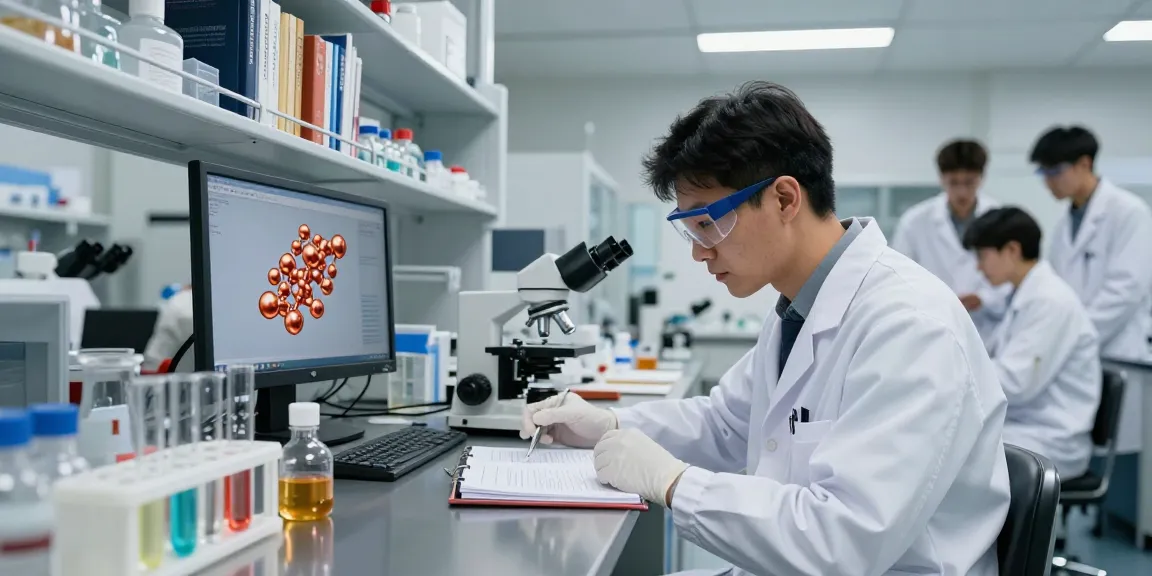
Understanding Copper Peptides: Fundamentals and Importance
Copper peptides have emerged as a significant area of interest in biochemistry and dermatology. Their unique properties and roles in cellular processes have attracted researchers and industry professionals alike. As the understanding of copper peptide research evolves, it becomes essential to grasp their fundamental characteristics and implications for health and beauty applications. By delving into the molecular mechanisms and outcomes of copper peptides, we can appreciate their potential in various therapeutic domains.
What are Copper Peptides?
Copper peptides are small, bioactive molecules that consist of chains of amino acids and copper ions. These peptides play a crucial role in biological processes due to their ability to facilitate various biochemical reactions. Common copper peptides, such as GHK-Cu (glycyl-L-histidyl-L-lysine), are known for their beneficial properties, including promoting wound healing and enhancing collagen synthesis. Understanding the structure and function of these peptides opens pathways for innovative applications in medicine and cosmetics.
The Role of Copper in Biochemistry
Copper is an essential trace mineral involved in numerous enzymatic processes, including energy production, iron metabolism, and neurotransmitter synthesis. In the context of copper peptides, copper acts as a cofactor for enzymes that are critical for maintaining skin integrity and promoting tissue repair. The complex interplay between copper and its peptide forms underscores its importance in various biological functions and health outcomes.
Benefits of Copper Peptide Research
The ongoing copper peptide research reveals numerous benefits, including enhanced wound healing, improved skin elasticity, and potential anti-inflammatory effects. These findings highlight the therapeutic promise of copper peptides in dermatological treatments and regenerative medicine. As research progresses, the implications for improved patient outcomes and innovative products in skincare and health continue to expand.
Current Applications in Health and Dermal Treatments
Skin Health and Anti-Aging Benefits
Copper peptides have gained considerable attention for their anti-aging properties, particularly in skincare formulations. Studies have shown that these peptides can stimulate collagen and elastin production, contributing to firmer, more youthful-looking skin. Additionally, their antioxidant properties help combat oxidative stress, a key factor in skin aging. Products containing copper peptides are increasingly being formulated to target visible signs of aging and improve overall skin health.
Role in Wound Healing and Tissue Regeneration
The regenerative capabilities of copper peptides make them invaluable in wound healing. They promote the migration and proliferation of fibroblasts and endothelial cells, essential for tissue repair. Furthermore, copper peptides enhance the synthesis of extracellular matrix components, facilitating faster healing and scar reduction. This regenerative effect positions copper peptides as a promising ingredient in both clinical and over-the-counter wound care products.
Research on Copper Peptides in Hair Growth
Recent studies indicate that copper peptides may also play a role in promoting hair growth. By stimulating hair follicle cells, these peptides can enhance the hair growth cycle and potentially reduce hair loss. This discovery has sparked interest among researchers and the cosmetic industry, leading to the development of hair care products that incorporate copper peptides as a key active ingredient. As research continues, the viability of copper peptides in treating hair loss conditions may become more substantiated.
Scientific Insights: Latest Research Findings
Recent Studies on Copper Peptide Efficacy
As interest in copper peptides grows, numerous studies are emerging that explore their efficacy across various applications. For example, a recent investigation published in a peer-reviewed journal demonstrated that topical application of GHK-Cu significantly improved skin elasticity and reduced wrinkle depth in participants over a 12-week period. Such findings bolster the argument for including copper peptides in skincare regimens aimed at combating premature aging.
Future Research Directions in Copper Peptides
The research landscape for copper peptides is rapidly evolving, with future studies expected to explore their role in broader therapeutic areas, such as chronic inflammation and metabolic disorders. Additionally, the integration of copper peptides into advanced drug delivery systems may further enhance their efficacy and application scope. Researchers are keen to uncover new mechanisms of action and potential synergistic effects when combined with other therapeutic agents.
Expert Opinions on Emerging Trends for 2026
Experts predict a surge in the incorporation of copper peptides in both cosmetic and therapeutic formulations by 2026. As clinical evidence continues to mount, the acceptance of copper peptides in mainstream dermatology and aesthetics is likely to become more pronounced. Furthermore, advancements in formulation technologies may allow for improved penetration and bioavailability, amplifying their benefits in skincare products.
Challenges and Misconceptions in Copper Peptide Research
Common Misunderstandings About Copper Peptides
Despite the promising potential of copper peptides, misconceptions abound. Some individuals believe that all copper peptides are the same, overlooking the specific benefits tied to particular peptide sequences. Additionally, there is a prevalent concern regarding the safety of copper in skincare. However, research indicates that when formulated correctly, copper peptides are not only safe but also well-tolerated by most skin types.
Regulatory Challenges in Research and Development
The regulatory landscape for copper peptide products can be complex, often presenting challenges in the approval process for new formulations. Navigating these regulations is imperative for researchers and companies looking to market innovative products. As more clinical data becomes available, there may be a push for streamlined regulations, benefiting both developers and consumers.
Addressing Safety and Efficacy Concerns
Safety and efficacy remain paramount in copper peptide research. Ongoing clinical trials and studies are essential to address these concerns comprehensively. Manufacturers must rigorously test their formulations to ensure they meet safety standards and deliver the promised benefits. Consumer education plays a vital role in alleviating fears and misconceptions surrounding these ingredients.
Future Trends and Innovations in Copper Peptide Research
Predictions for Advances in 2026 and Beyond
Looking towards 2026, predictions highlight an increased focus on personalized skincare solutions that incorporate copper peptides. Advances in genomic and proteomic research may allow for targeted formulations tailored to individual skin needs. Additionally, the integration of copper peptides into holistic health approaches, including nutrition and lifestyle modifications, may enhance their overall effectiveness.
Integrating Copper Peptides in Regenerative Medicine
The potential of copper peptides in regenerative medicine is an exciting frontier. With ongoing research into their role in cellular repair and regeneration, applications in tissue engineering and organ regeneration may become a reality. Collaboration between biochemists, dermatologists, and regenerative medicine specialists will be key in translating this research into viable treatments.
Potential Market Developments and Growth Opportunities
The market for copper peptide products is poised for significant growth as consumer awareness and demand increase. As more evidence supports the benefits of copper peptides, companies are likely to invest in R&D to innovate new products. This growth presents opportunities for emerging brands to establish themselves in a competitive landscape that values effective and scientifically-backed skincare solutions.
What are the key benefits of copper peptides?
Copper peptides offer a range of benefits, including enhanced collagen synthesis, improved skin elasticity, accelerated wound healing, and potential hair growth stimulation. Their multifaceted applications make them attractive to both consumers and researchers aiming for effective solutions in skincare and health.
How do copper peptides affect skin health?
Copper peptides contribute to skin health by promoting collagen and elastin production, reducing the appearance of fine lines and wrinkles, and improving overall skin texture. Their antioxidant properties also help protect the skin from environmental damage, making them a valuable addition to skincare routines.
What future innovations can we expect in this research?
Future innovations in copper peptide research may include enhanced formulations that improve bioavailability and penetration, personalized skincare products based on genetic and phenotypic data, and novel applications in regenerative medicine. Ongoing studies will continue to reveal new mechanisms of action and synergistic effects with other active ingredients.
Why is copper important in biochemical processes?
Copper is crucial for various biochemical processes, including enzyme function, redox reactions, and the synthesis of critical proteins. Its role as a cofactor enhances the functioning of numerous enzymes involved in energy production, iron metabolism, and neurotransmitter regulation, underscoring its importance in maintaining overall health.
Are there any side effects associated with copper peptides?
While copper peptides are generally considered safe for topical use, some individuals may experience mild irritation or allergic reactions. It is essential to conduct patch tests before widespread application, especially for those with sensitive skin. Ongoing research continues to monitor the safety profile of copper peptides across diverse populations.