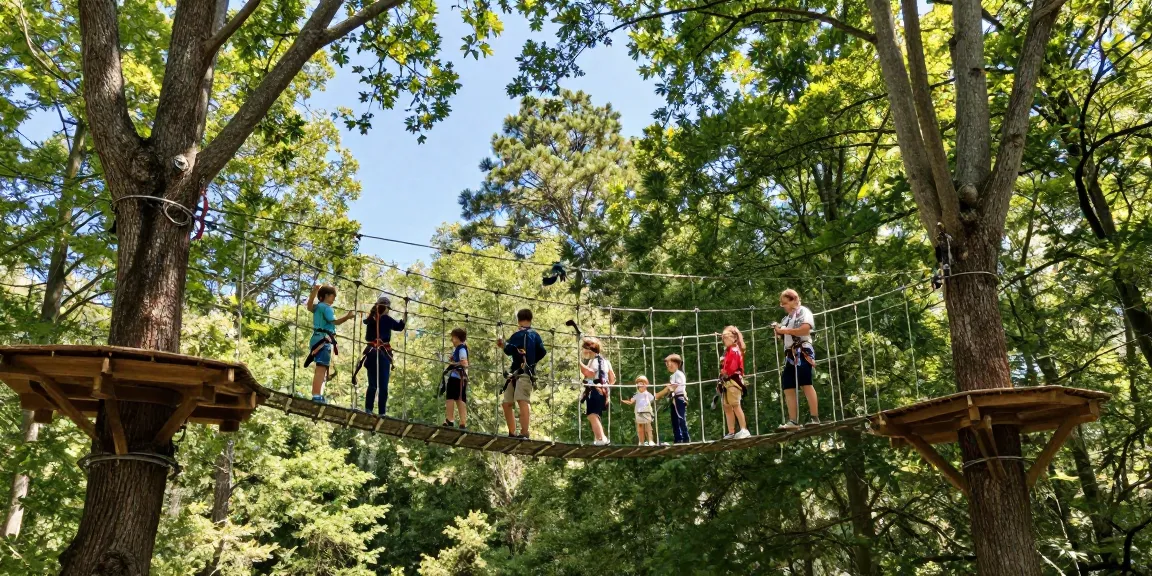
Understanding Rope Bridge Design
Rope bridges are an exciting and versatile feature that can enhance the aesthetic appeal of gardens and public spaces, as well as serve practical purposes in various terrains. They provide unique crossings over obstacles such as ravines, streams, or gardens, merging functionality with a sense of adventure. As the popularity of outdoor spaces grows, understanding the intricacies of Rope Bridge design has become essential for both recreational and architectural applications.
What Makes a Great Rope Bridge Design?
A great rope bridge design balances aesthetics, functionality, and safety. Essential elements include the appropriate span length, type of materials, and overall structural integrity. The design should cater to the intended use, whether for pedestrian traffic, children's adventures, or as part of a landscaping aesthetic. Moreover, environmental considerations such as the natural terrain and climate conditions play a significant role in the design process.
Types of Rope Bridges: Features and Benefits
There are several types of rope bridges, each designed with specific features that suit different environments and purposes:
- Suspended Rope Bridges: Ideal for spanning distances over uneven terrain, these bridges are anchored on either end and provide a flexible, swinging experience.
- Fixed-Beam Rope Bridges: These offer greater stability and are often used in areas where pedestrian safety is a primary concern.
- Log Rope Bridges: Combining natural materials, log bridges offer a rustic aesthetic while maintaining strength, making them perfect for outdoor recreational areas.
Materials Used in Rope Bridge Construction
The selection of materials is critical in rope bridge construction. Common materials include:
- Rope: High-strength synthetic ropes are preferred for their durability and resistance to environmental factors.
- Wood: Treated timber is often used for the bridge deck and structural elements to ensure longevity and stability.
- Metal Components: Stainless steel fittings and cables enhance strength, particularly in fixed-beam designs.
Safety Considerations in Rope Bridge Design
Key Safety Features to Include
Safety is paramount in rope bridge design; therefore, including safety features helps mitigate risks associated with use. Key features encompass:
- Guardrails: Installing guardrails along the edges can prevent falls and ensure safe navigation.
- Weight Limitations: Clearly marked weight limits prevent overloading, which can compromise structural integrity.
- Regular Inspections: Routine maintenance checks should be scheduled to address any wear and tear.
Common Risks and How to Mitigate Them
Some inherent risks in rope bridge usage include:
- Structural Failure: This can occur due to lack of maintenance or inappropriate design for the given environment.
- Weather Impact: Rain, wind, and snow can affect the bridge’s stability. Weather-resistant materials and design adaptations are essential to mitigate this.
- Improper Usage: Educating users about safe practices is crucial in preventing accidents.
Regulations and Standards for Rope Bridges
Complying with local building codes and safety regulations is non-negotiable. Most regions have specific guidelines regarding the construction of pedestrian bridges, including load capacity requirements, materials specifications, and safety features. Checking with local authorities ensures that your rope bridge meets all necessary standards.
Building Your Own Rope Bridge: A Step-by-Step Guide
Planning Your Project: Tools and Resources
Before commencing on building a rope bridge, thorough planning is essential. Consider your project's scope, including the location, desired span, and user type. Gather the necessary tools and materials, such as drills, saws, ropes, and wood for framing. Resources such as local building codes and design blueprints can also aid in planning.
Construction Techniques for Durable Designs
Constructing a rope bridge involves precise techniques to ensure durability:
- Anchor Points: Secure anchor points are crucial for stabilising the bridge. Ensure that they are well-embedded and robust enough to handle stress.
- Framework Construction: Create a solid frame using treated wood, ensuring it is level and secure before proceeding.
- Rope Installation: When installing the rope, maintain equal tension along the length to avoid sagging or uneven pressure distribution.
Testing and Maintaining Your Rope Bridge
Once your bridge is constructed, comprehensive testing is necessary to ensure safety. Load testing with weights can simulate real use. Regular maintenance checks should include inspecting for wear on ropes and structural elements, tightening fittings, and replacing any damaged materials to extend the bridge’s lifespan.
Real-World Applications of Rope Bridges
Rope Bridges in Educational Settings
Rope bridges serve as excellent educational tools in schools and camps, teaching students about engineering principles, teamwork, and safety. Their unique design can inspire creativity and environmental awareness.
Case Studies: Successful Rope Bridge Projects
Numerous successful rope bridge projects illustrate innovative applications. For instance, a community initiative in the UK constructed a rope bridge to connect two nature trails, enhancing local biodiversity and promoting outdoor activity. Such projects not only provide physical benefits but also foster community spirit and appreciation for nature.
Innovative Uses of Rope Bridges in Recreation
Recreation is another significant application of rope bridges, particularly in adventure parks and outdoor centres. They offer thrilling experiences that engage users and can be paired with zip lines or obstacle courses to create a comprehensive adventure experience.
Future Trends in Rope Bridge Design
Sustainable Materials and Eco-Friendly Practices
As environmental concerns grow, the use of sustainable materials in rope bridge design is becoming more prevalent. Eco-friendly practices, such as sourcing locally and using recycled materials, are likely to shape future designs, helping to minimise the ecological footprint.
Technological Innovations Enhancing Rope Bridges
Advancements in technology are also transforming rope bridge design. Smart sensors can monitor structural integrity in real time, alerting owners to maintenance needs before potential failures occur. Furthermore, 3D modelling allows for precise design simulations, enhancing safety and performance.
Predictions for Rope Bridge Designs in 2026 and Beyond
Looking ahead, rope bridge designs are expected to become more integrated with nature and the landscape, featuring innovative layouts that challenge traditional forms. We may also see an increase in multi-use designs that accommodate both pedestrians and cyclists, reflecting evolving societal needs.
How do I build a rope bridge?
Building a rope bridge involves careful planning, selecting appropriate materials, and following safety guidelines to ensure functionality and durability.
What are the different types of rope bridges?
Types include suspended rope bridges, fixed-beam bridges, and log rope bridges, each designed for specific purposes and environments.
How much does a rope bridge cost?
The cost of a rope bridge varies widely depending on size, materials, and complexity, but a well-planned project can be budgeted effectively.
What is the simplest bridge design?
The simplest bridge design is often a basic suspended rope bridge, which requires fewer materials and is easier to construct than more complex structures.
Are rope bridges safe for children?
When properly designed and maintained, rope bridges can be safe for children, particularly when equipped with appropriate safety features and supervision.