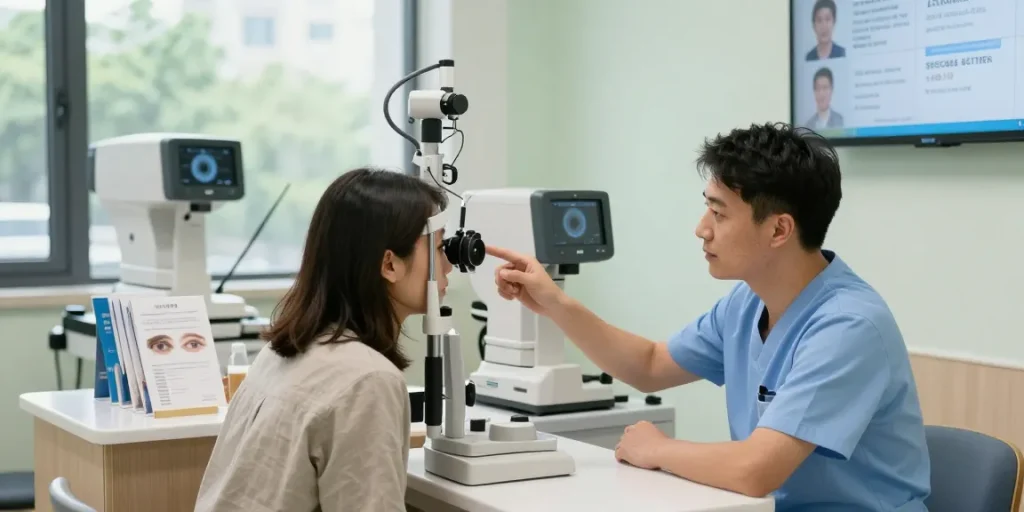

Understanding Eye Health and Its Importance
Eye health is an integral part of our overall well-being, yet it is often overlooked. Many people take their vision for granted until problems arise. Regular eye care is essential not just for maintaining good vision but also for identifying underlying health issues that can affect your quality of life. According to statistics, a significant percentage of the population suffers from various eye conditions, making awareness and regular check-ups vital. At snuseoul, we prioritize your eye health with advanced diagnostic tests and personalized treatment plans.
What Are Common Eye Conditions?
Several common eye conditions can impair vision and quality of life. These include:
- Myopia (Nearsightedness): A condition where close objects are seen clearly, while distant objects appear blurry.
- Hyperopia (Farsightedness): A condition that causes difficulty focusing on close objects.
- Astigmatism: An imperfection in the curvature of the eye that leads to blurred vision.
- Cataracts: A clouding of the lens that can significantly diminish eyesight.
- Macular Degeneration: A leading cause of vision loss due to the deterioration of the central part of the retina.
- Glaucoma: A group of eye conditions that can lead to damage to the optic nerve, often due to increased intraocular pressure.
How Regular Eye Exams Can Prevent Issues
Regular eye exams play a crucial role in maintaining eye health. They help detect problems early on, allowing for timely intervention and treatment. Comprehensive eye exams can identify diseases that may not have clear symptoms initially, such as glaucoma and diabetic retinopathy. Scheduling an eye exam annually is advisable, especially for individuals over the age of 40 or those with a family history of eye disease.
Debunking Myths About Eye Care
Many misconceptions about eye care can lead to neglect or improper care. Here are some common myths:
- Myth 1: “Reading in dim light will ruin your vision.” While it may cause eye strain, it does not damage your eyesight.
- Myth 2: “You only need to see an eye doctor if you have vision problems.” Regular check-ups can prevent issues even if you feel fine.
- Myth 3: “Sitting too close to the TV is harmful to your eyes.” It may cause discomfort but won’t cause permanent damage.
Key Treatments Offered at SNU Eye Clinic
At SNU Eye Clinic, we offer a range of treatments tailored to meet various eye health needs. Our approach combines advanced technology with personalized care to ensure the best outcomes for our patients.
Overview of Vision Correction Procedures
Vision correction procedures are designed to improve visual acuity and reduce dependence on corrective lenses. Common procedures include:
- LASIK: A popular laser surgery that reshapes the cornea to correct refractive errors.
- PRK (Photorefractive Keratectomy): A surface laser procedure ideal for patients with thin corneas.
- ICL (Implantable Collamer Lens): A lens placed inside the eye to correct vision without the need for corneal reshaping.
- SMILE (Small Incision Lenticule Extraction): A minimally invasive technique to correct refractive errors.
Detailed Tests: What You Need to Know
Comprehensive eye exams at our clinic include over 52 detailed tests categorized into seven key areas. These tests help evaluate not only vision but also the health of the entire eye. Examples of these tests include:
- Visual Acuity Tests: Assessing the clarity of vision.
- Refraction Tests: Determining the appropriate prescription for eyeglasses or contact lenses.
- Fundus Examination: Checking the health of the retina and optic nerve.
- Tonometry: Measuring intraocular pressure to detect glaucoma.
Personalized Care: 1:1 Vision Correction Approach
At SNU Eye Clinic, we believe in a personalized approach to vision correction. Our 1:1 Vision Correction program ensures that each patient receives tailored treatment plans based on their specific needs, lifestyle, and preferences. Through consultation and advanced diagnostics, we strive to achieve optimal visual outcomes for every individual.
Why Choose SNU Eye Clinic for Your Eye Health?
Choosing the right eye clinic is vital for your eye health. SNU Eye Clinic stands out for numerous reasons that reinforce our commitment to excellence in eye care.
Success Rates: Trust Through Experience
With over 50,000 successful surgeries performed, our clinic boasts an impressive success rate. Our experienced eye surgeons are dedicated to providing the highest quality care, ensuring patient satisfaction and optimal outcomes. Our track record speaks volumes about our commitment to improving lives through better vision.
Advanced Technology in Eye Surgery
The field of ophthalmology is constantly evolving, and we continually invest in cutting-edge technology. From the latest surgical lasers to advanced diagnostic equipment, our clinic utilizes state-of-the-art tools to enhance the precision and effectiveness of eye surgeries. This means fewer complications and quicker recovery times for our patients.
Testimonials From Satisfied Patients
Patient feedback is essential to our practice. We consistently receive positive testimonials highlighting our professional care and excellent results. Many patients express gratitude for how our services have improved their quality of life. Checking patient reviews can provide insights into their experiences and the level of care they received.
Future Trends in Eye Care: What to Expect by 2026
The field of eye care is rapidly advancing, with emerging technologies promising to transform how we approach vision correction and eye health management. Here are some trends to watch for by 2026:
Emerging Technologies in Vision Correction
Innovations such as smart contact lenses and advanced laser technologies are on the horizon. These advancements focus on improving comfort, efficacy, and convenience for patients. Anticipate developments that will make procedures less invasive and recovery times shorter.
The Role of AI in Personalized Eye Care
Artificial Intelligence (AI) is poised to play a significant role in eye care. By analyzing large datasets, AI can help in predicting eye diseases, optimizing treatment plans, and personalizing patient care. This technology can enhance diagnostics and improve patient outcomes significantly.
Predictions for Eye Health Management
As technology progresses, eye health management will become more proactive than reactive. We can expect a shift towards routine screening using telemedicine and mobile health applications, empowering patients to monitor their eye health proactively. This will enable quicker detection and intervention for eye conditions.
Frequently Asked Questions
What Are the Benefits of Regular Eye Exams?
Regular eye exams can help detect early signs of eye diseases, ensure proper vision correction, and maintain overall eye health. Additionally, they allow for lifestyle adjustments to protect your vision.
How Do I Know If I Need Vision Correction?
If you experience blurred vision, difficulty seeing at night, or constant headaches while reading, you may need vision correction. It’s advisable to consult with an eye care professional for an evaluation.
What Should I Consider Before Eye Surgery?
Before undergoing eye surgery, consider the type of procedure, recovery time, potential risks, and your long-term vision goals. Consultation with an eye specialist can help you make an informed decision tailored to your needs.