
Understanding Woodworm and Its Impact on Structures
Woodworm infestations are a common yet often overlooked issue in wooden structures. These pests can cause significant damage to furniture, flooring, and even structural beams, leading to costly repairs and potential safety hazards. Understanding the nature of woodworm, the extent of the damage they cause, and effective treatment methods is crucial for homeowners and businesses alike. When exploring options, Shashel provides comprehensive insights into innovative treatments designed to combat these pests effectively.
What is Woodworm?
Woodworm is a term that typically refers to the larvae of various wood-boring insects, primarily beetles. The most notable among these are the Common Furniture Beetle, the House Longhorn Beetle, and the Powderpost Beetle. These insects lay their eggs in wood; upon hatching, the larvae feed on the cellulose within the wood, causing extensive damage over time. Identifying the specific type of woodworm is essential for determining the best treatment approach.
The Damage Caused by Wood-Boring Insects
The damage caused by woodworms can be severe and often goes unnoticed until significant harm is done. Over time, wood that is infested can lose its structural integrity, leading to collapse or failure of the affected item. Areas most vulnerable to woodworm damage include:
- Furniture and cabinetry
- Flooring and joists
- Structural beams and supports
- Rafters and wooden framework
Signs of Infestation in Wooden Structures
Recognizing a woodworm infestation early can mitigate further damage. Common signs include:
- Small holes in the wood surface
- Fine powdery dust, which is the frass (waste) from the larvae
- Visible tunnels within the wood
- Weak or crumbly wood when pressure is applied
How Shashel Technology Works
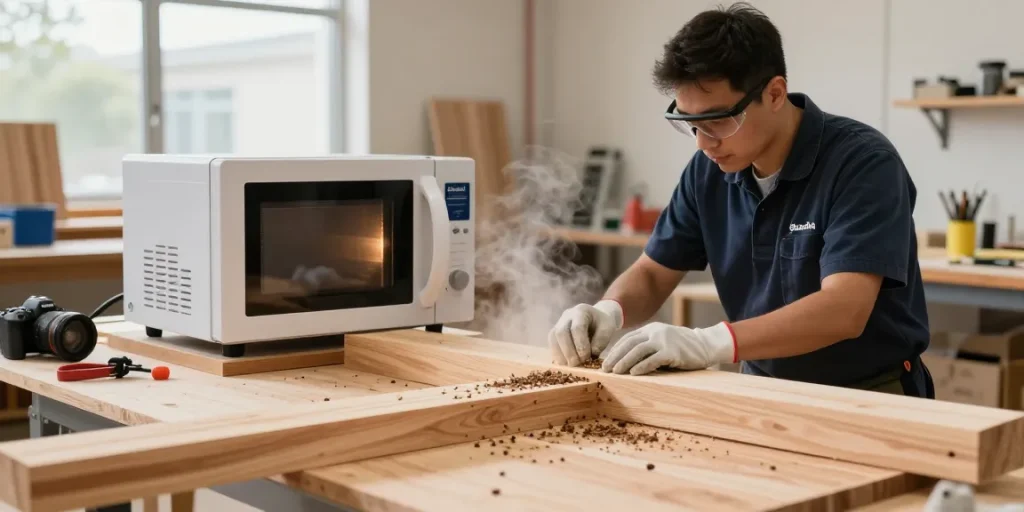
Shashel employs a unique microwave treatment technology that effectively eliminates wood-boring pests and their eggs. This method is not only fast but also eco-friendly compared to traditional chemical treatments. The microwave energy penetrates deep into the wood, heating it uniformly and exterminating pests without the use of toxic substances.
The Science Behind Microwave Wood Treatment
The science of microwave wood treatment revolves around the principle of heating water molecules within the wood. As the microwave energy excites these molecules, the temperature in the wood rises to levels that are lethal to wood-boring insects and their larvae, typically reaching 50°-60° C (120°-140° F). This rapid heating ensures that all life stages of the pests are addressed quickly and efficiently.
Benefits of Using Shashel Devices
Choosing Shashel comes with numerous benefits:
- Chemical-Free: Shashel technology offers a safe, eco-friendly alternative to pesticides.
- Rapid Treatment: The entire process can take just a few minutes, significantly reducing downtime.
- Effective Penetration: Microwaves penetrate deep within wood structures, ensuring comprehensive treatment.
- Non-Invasive: Unlike traditional methods, there is no need for extensive dismantling or disruption of the affected areas.
Comparison with Traditional Chemical Treatments
Traditional woodworm treatments often involve chemical sprays and foams, which can leave behind toxic residues. These methods may also expose inhabitants to potential health risks during and after application. In contrast, Shashel’s microwave technology is entirely safe for both people and pets, providing a more sustainable solution that aligns with modern standards for eco-friendly pest control.
Step-by-Step Guide to Using Shashel Devices
Implementing the Shashel treatment is straightforward, ensuring ease of use for both professionals and DIY enthusiasts. Below, we outline the key steps for effective application:
Preparing Your Space for Treatment
Before commencing treatment, it’s essential to prepare the area. Remove any items that could be affected by heat and ensure there’s ample space for the Shashel device to operate. This preparation helps maximize the effectiveness of the treatment.
Operating the Shashel Microwave Device
Using the Shashel device involves the following steps:
- Set the device’s settings according to the thickness of the wood.
- Position the microwave emitter at a distance that allows for optimal penetration without damaging the surface.
- Begin the treatment and monitor the process to ensure the correct temperature is maintained.
Post-Treatment Care and Monitoring
After treatment, allow the wood to cool down and inspect for any remaining signs of infestation. Regular monitoring in the following weeks is advisable to ensure the effectiveness of the treatment and to catch any potential re-infestation early.
Common Challenges and Solutions in Woodworm Elimination
While Shashel technology is highly effective, users may encounter challenges that can be resolved with the right approach. Below are some common issues and their solutions:
Addressing Misconceptions About Microwave Treatment
One common misconception is that microwave treatment may not be suitable for certain wood types. However, research indicates that Shashel is safe for various wood materials, including hardwood, softwood, and engineered wood products.
Handling Severe Infestations
In cases of severe infestations, multiple treatments may be required. Monitoring and follow-up treatments are crucial for ensuring all pests are eliminated. Utilizing Shashel’s technology effectively addresses even the most stubborn cases.
Maintaining Wood Health After Treatment
Post-treatment, it’s essential to maintain the health of the wood by controlling moisture levels and ensuring proper ventilation in the treated areas. Regular inspections will help in identifying potential risks early on.
The Future of Wood Treatment Technologies
The wood treatment industry is evolving, with new technologies and approaches emerging regularly. Understanding these trends can help users stay ahead of wood pest problems.
Emerging Trends in Eco-Friendly Pest Control
With growing awareness of environmental issues, there is a significant shift towards sustainable pest control solutions. Innovations like Shashel’s microwave technology are leading the way in providing effective, eco-friendly alternatives to chemical treatments.
Shashel’s Role in Sustainable Building Practices
As sustainability becomes a top priority in construction and renovation, Shashel’s commitment to chemical-free treatments positions it as a key player in sustainable building practices, catering to a market that increasingly values eco-conscious solutions.
Innovations to Watch for in 2026 and Beyond
The future promises exciting advancements in pest control technologies, focusing on enhanced efficiency and user-friendliness. Innovations such as AI-driven monitoring systems and improved microwave applications are on the horizon, potentially revolutionizing how we combat pests.
What Are the Benefits of Using Shashel?
The advantages of choosing Shashel extend beyond quick treatment times. Users benefit from:
- Long-lasting protection against wood-boring insects
- A reduction in the need for repeated applications or chemical treatments
- A safer environment for occupants
How Long Does Shashel Treatment Last?
Shashel’s treatment provides long-term results, with many customers reporting effective pest elimination for several years. Continued vigilance and regular inspections help ensure lasting protection.
Is Shashel Safe for All Types of Wood?
Yes, Shashel is designed for use on all wood types, including delicate antiques and modern engineered materials. Its precise control over the heating process ensures no damage to the wood structure.
Can Shashel Be Used for Large-Scale Projects?
Absolutely. Shashel devices are effective for both small and large-scale wood treatment projects, making them suitable for residential, commercial, and industrial applications.
What Should I Do After a Successful Treatment?
After a successful Shashel treatment, maintain the health of your wooden structures by monitoring for any signs of future infestations and maintaining a stable humidity level to avoid conditions that may attract pests.